
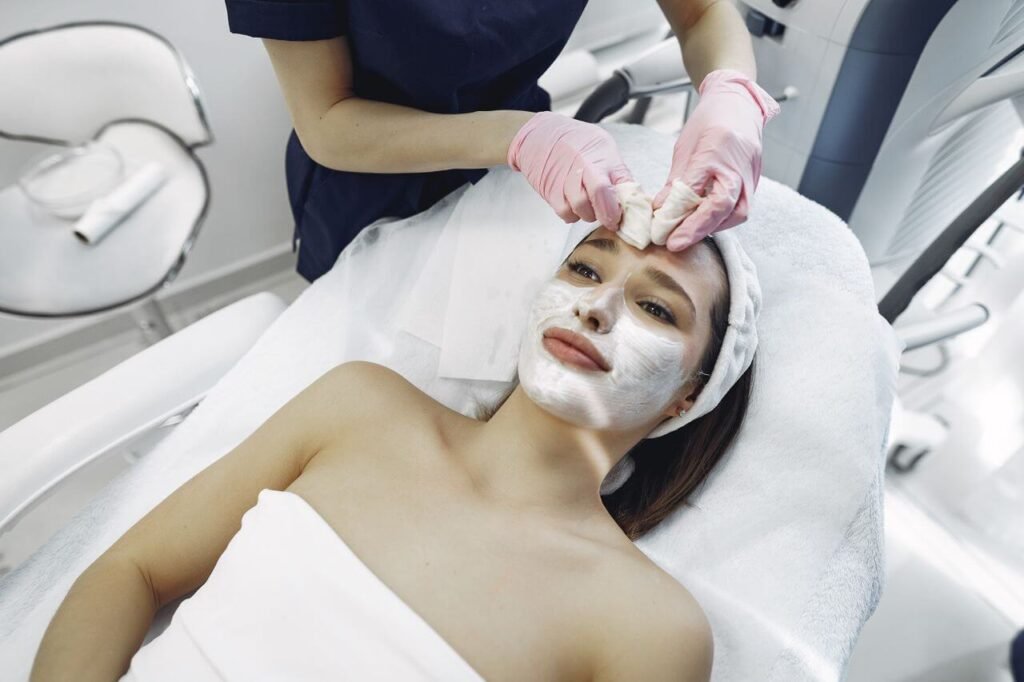
Chemical Peels: Benefits, Types, Recovery & What to Expect
Doctor-led chemical peel treatments for acne, pigmentation, dullness, fine lines and uneven skin texture at Dr Nidhi Aesthetics, Blackpool.
Chemical peels have become one of the most popular non-surgical skin treatments for improving acne, pigmentation, dullness, fine lines, and uneven skin texture. At Dr Nidhi Aesthetics, we offer doctor-led chemical peel treatments tailored to your individual skin concerns and skin type.
Whether you’re looking to brighten tired skin, improve acne scars, or achieve a smoother complexion, chemical peels can be an effective part of your skincare journey.
What Is a Chemical Peel?
A chemical peel is a professional skin treatment that uses carefully selected acids to exfoliate the outer layers of the skin. This process removes dead skin cells and stimulates skin renewal, helping reveal brighter, smoother, and healthier-looking skin underneath.
Chemical Peels Can Help Improve
- Acne and oily skin
- Acne scarring
- Pigmentation and sun damage
- Melasma
- Fine lines and wrinkles
- Uneven skin tone
- Enlarged pores
- Dull or tired-looking skin
- Rough skin texture
How Do Chemical Peels Work?
Chemical peels work by accelerating skin cell turnover and exfoliating damaged surface skin cells.
Chemical Peels May Help
- Reduce excess oil production
- Unclog pores
- Stimulate collagen production
- Brighten dull skin
- Improve skin texture
- Fade post-inflammatory pigmentation
- Improve overall skin clarity
Different Types of Chemical Peels
Glycolic Acid Peel
Glycolic acid is commonly used for dull skin, fine lines, uneven texture, and mild pigmentation. It helps improve overall glow with relatively minimal downtime.
Salicylic Acid Peel
Salicylic acid peels are especially beneficial for acne-prone and oily skin. They help with active acne, congested pores, blackheads, and excess oil production.
Mandelic Acid Peel
Mandelic acid is a gentler peel often recommended for sensitive skin, pigmentation concerns, and darker skin tones.
Lactic Acid Peel
Lactic acid peels are hydrating and gentle, making them ideal for dry, dehydrated, and sensitive skin types.
TCA Peel (Trichloroacetic Acid)
TCA peels are medium-depth peels commonly used for acne scarring, pigmentation, fine lines, and skin rejuvenation.
BioRePeel
BioRePeel is designed to stimulate skin rejuvenation with minimal downtime and is popular for skin glow, acne-prone skin, fine lines, and collagen stimulation.
Chemical Peels for Acne
Chemical peels are one of the most effective non-invasive treatments for acne-prone skin. Benefits include reduced breakouts, improved pore congestion, reduced oiliness, and improved skin texture.
Chemical Peels for Pigmentation & Melasma
Professional chemical peels may help improve sun spots, post-inflammatory pigmentation, uneven skin tone, and melasma. However, not every peel is suitable for every skin type, particularly darker skin tones.
What Happens During a Chemical Peel Appointment?
Every treatment begins with a consultation and skin analysis.
Appointments may include:
- Cleansing and preparing the skin: The skin is carefully prepared before the peel is applied.
- Application of the peel solution: The selected chemical peel is applied according to your skin concerns and treatment plan.
- Monitoring the skin response: Your skin response is carefully monitored throughout the treatment.
- Neutralisation if required: The peel is neutralised where required depending on the type of treatment used.
- Post-treatment skincare advice: You receive advice on caring for your skin following treatment.
What to Expect After a Chemical Peel
Recovery time depends on the type and strength of peel used. Common temporary effects include redness, tightness, dryness, and mild peeling or flaking.
Chemical Peel Aftercare
Aftercare Guidelines
- Wear SPF daily
- Avoid direct sun exposure
- Keep the skin hydrated
- Avoid harsh active skincare products temporarily
- Avoid excessive heat, saunas, and intense exercise for 24–48 hours
Are Chemical Peels Safe?
When performed by trained professionals, chemical peels are generally safe and effective. Certain medical conditions, medications, or skin conditions may affect suitability for treatment.
Your suitability will be assessed before treatment so that the most appropriate approach can be recommended for your skin.
How Many Chemical Peel Sessions Will I Need?
Many patients benefit from a course of treatments spaced several weeks apart, particularly for acne scarring, pigmentation, melasma, and texture concerns.
Typical Treatment Course
- Acne concerns: A course of treatments may be recommended depending on your skin
- Pigmentation and melasma: Treatment frequency is tailored to your individual skin concerns
- Skin texture and rejuvenation: Multiple treatments may be recommended for progressive improvement
Many patients benefit from a course of 3–6 sessions depending on their skin concerns and goals.
Chemical Peels vs Microneedling
Chemical peels focus primarily on exfoliation and skin tone improvement, while microneedling stimulates collagen production through controlled micro-injuries.
| Treatment | Primary Focus | Best Suited For |
|---|---|---|
| Chemical Peels | Exfoliation and skin renewal | Acne, pigmentation, tone and surface texture |
| Microneedling | Collagen stimulation through controlled micro-injuries | Scarring, texture and collagen-related concerns |
Why Choose a Doctor-Led Aesthetic Clinic?
Choosing a doctor-led clinic can improve safety and treatment outcomes through professional assessment, tailored treatment planning, and medical understanding of skin conditions.
What Doctor-Led Care Means for You
- Professional skin assessment before treatment
- Tailored treatment planning
- Medical understanding of skin conditions
- Individual assessment of treatment suitability
- Professional advice on treatment and aftercare
Frequently Asked Questions About Chemical Peels
Are chemical peels painful?
Most patients experience mild tingling or warmth during treatment, but discomfort is usually minimal.
How long does peeling last after a chemical peel?
Some patients experience little to no visible peeling, while others may peel for several days depending on the peel used.
Can chemical peels help acne scars?
Yes, chemical peels may help improve mild acne scarring and skin texture over time.
Are chemical peels safe for darker skin tones?
Certain peels can be suitable for darker skin tones, but careful assessment is important.
Can I wear makeup after a chemical peel?
Patients are usually advised to avoid makeup for at least 24 hours after treatment.
How many sessions will I need?
Many patients benefit from a course of 3–6 sessions depending on their skin concerns and goals.
Book Your Chemical Peel Consultation
If you’re considering chemical peels for acne, pigmentation, dull skin, or skin rejuvenation, professional assessment is the best place to start.
Book Your Free Consultation →